Model warranty research

Tesla Model X problems, repairs and warranty value

Review possible repair costs and submitted NHTSA records for the Tesla Model X. Compare documented symptoms and manufacturer repair guidance, then choose your model year for its available records and repair estimates.

11model-year profiles
1,553submitted complaints
39unique vehicle recall campaigns
ElectricEPA powertrain choices
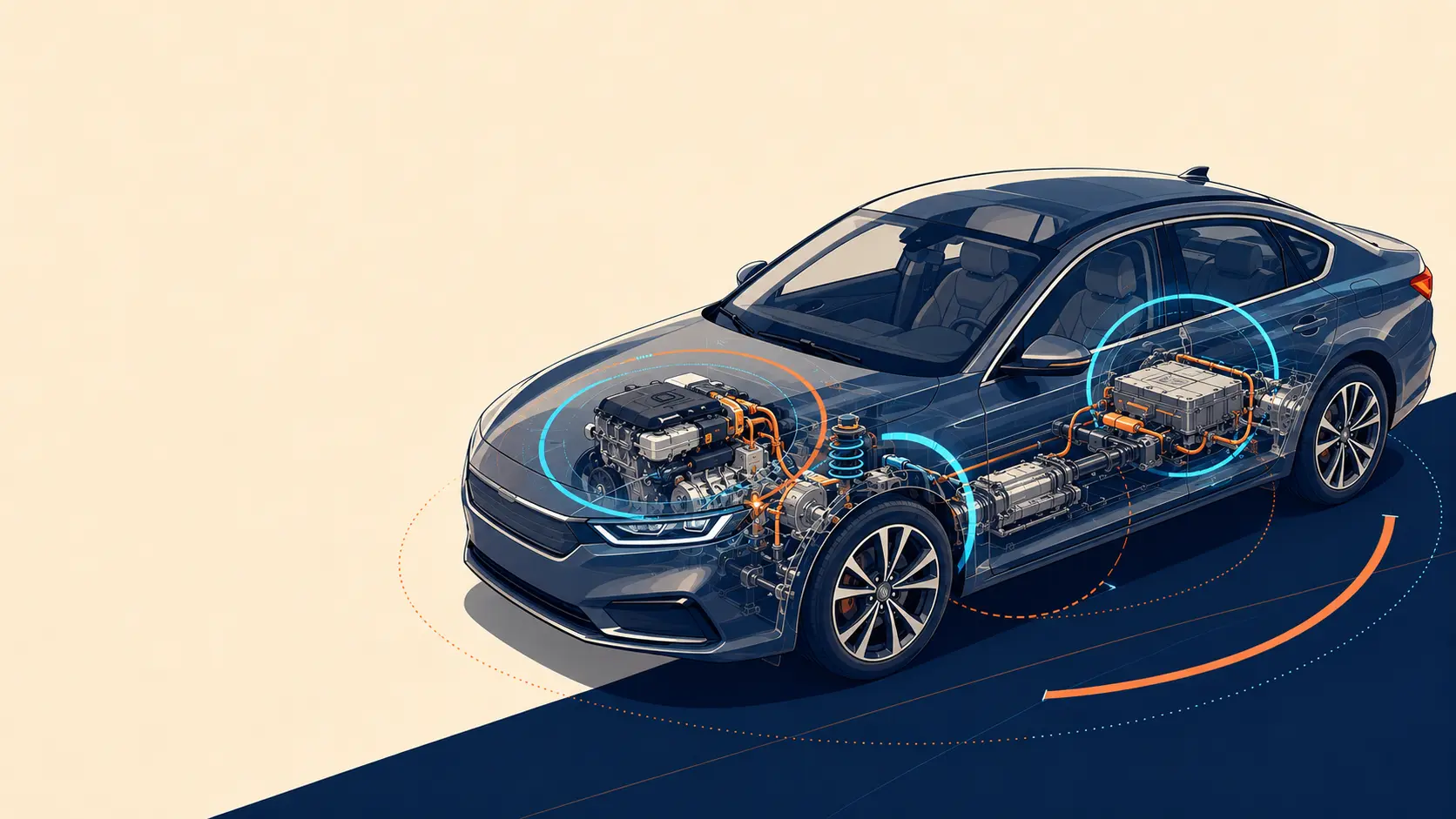
Animated diagnostic illustration for the Tesla Model X

Model records

What changes the warranty calculation

The Tesla Model X records contain 1,553 submitted complaints across 11 matched model years. The median is 128 reports per matched year. NHTSA source snapshot: 2026-10-18.

The 2016 record contains 450 complaint reports, the highest raw count among matched years here; other years may tie. Vehicle sales and time on the road differ, so this comparison does not establish a failure rate.

EV traction battery replacement has the highest arithmetic midpoint for parts in the applicable planning estimates, at $16,000 before labor. Confirm the configuration and remaining factory coverage before using this broad estimate to compare a service contract.

123 recall/model-year entries. A campaign can cover several years; the unique campaign count removes that repetition. Missing model-name matches remain unavailable.

Problem research and repair guidance

Tesla Model X: symptoms, affected vehicles and documented fixes

Match the symptom and the exact vehicle scope before arranging work. The imported catalogue is an editorial index of source documents, not an independent safety authority. Recall text is checked against NHTSA; each record links to the evidence that supports its scope and remedy.

5documented issue files
5vehicle systems

5 recall files · 0 other manufacturer files. These are editorial file counts, not distinct campaign totals, failure rates or a complete recall history.

BACK OVER PREVENTION

Official safety recall2023, 2024, 2025Campaign 25V002000

BACK OVER PREVENTION:SOFTWARE: recall 25V002000

A rearview camera that does not display an image reduces the driver's rear view, increasing the risk of a crash.

Tesla, Inc. (Tesla) is recalling certain 2024-2025 Model 3, Model S, 2023-2025 Model X, and Model Y vehicles. The computer circuit board may short, resulting in the loss of the rearview camera image. As such, these vehicles fail to comply with the requirements of Federal Motor Vehicle Safety Standard (FMVSS) number 111, "Rear Visibility."

Condition in the official record

Tesla, Inc. (Tesla) is recalling certain 2024-2025 Model 3, Model S, 2023-2025 Model X, and Model Y vehicles. The computer circuit board may short, resulting in the loss of the rearview camera image. As such, these vehicles fail to comply with the requirements of Federal Motor Vehicle Safety Standard (FMVSS) number 111, "Rear Visibility."

Which vehicles the source covers
  • NHTSA model names: MODEL X. Model years: 2023, 2024, 2025.
  • NHTSA campaign 25V002000
  • The complete campaign lists 239,382 potentially affected units across all listed vehicles.
  • A make, model and year match does not establish VIN eligibility.

Safety recall eligibility is based on the VIN and campaign scope, not ordinary warranty mileage. Check the complete VIN even when the vehicle is outside its original warranty.

Component in the source: BACK OVER PREVENTION:SOFTWARE

Published recall remedy

Tesla released an over-the-air (OTA) software update, free of charge. Tesla will also identify any vehicles that experienced a circuit board failure, or stress that may lead to a circuit board failure, and replace the affected computers, free of charge. Owner notification letters were mailed March 7, 2025. Owners may contact Tesla customer service at 1-877-798-3752. Tesla's number for this recall is SB-25-00-001.

Consequence in the NHTSA record: A rearview camera that does not display an image reduces the driver's rear view, increasing the risk of a crash.

Official recall remedyManufacturer or authorized dealer · Confirm with the dealer

Tesla released an over-the-air (OTA) software update, free of charge. Tesla will also identify any vehicles that experienced a circuit board failure, or stress that may lead to a circuit board failure, and replace the affected computers, free of charge. Owner notification letters were mailed March 7, 2025. Owners may contact Tesla customer service at 1-877-798-3752. Tesla's number for this recall is SB-25-00-001.

Limit: Confirm VIN eligibility and current remedy instructions with the manufacturer.

Check the complete VINVIN lookup · Before arranging repairs

Check the 17-character VIN at NHTSA.gov/recalls and ask the manufacturer whether this campaign remains open for the vehicle.

Limit: The model-year list is not proof that an individual vehicle is affected.

Evidence for this issue

ELECTRICAL SYSTEM

Official safety recall2016, 2017, 2018, 2019, 2020, 2021, 2022, 2023, 2024Campaign 24V051000

ELECTRICAL SYSTEM: INSTRUMENT CLUSTER/PANEL: recall 24V051000

Warning lights with a smaller font size can make critical safety information on the instrument panel difficult to read, increasing the risk of a crash.

Tesla, Inc. (Tesla) is recalling certain 2012-2023 Model S, 2016-2024 Model X, 2017-2023 Model 3, 2019-2024 Model Y, and 2024 Cybertruck vehicles. An incorrect font size is displayed on the instrument panel for the Brake, Park, and Antilock Brake System (ABS) warning lights. As such, these vehicles fail to comply with the requirements of Federal Motor Vehicle Safety Standard number 105, "Hydraulic and Electric Brake Systems" and 135, "Light Vehicle Brake Systems."

Condition in the official record

Tesla, Inc. (Tesla) is recalling certain 2012-2023 Model S, 2016-2024 Model X, 2017-2023 Model 3, 2019-2024 Model Y, and 2024 Cybertruck vehicles. An incorrect font size is displayed on the instrument panel for the Brake, Park, and Antilock Brake System (ABS) warning lights. As such, these vehicles fail to comply with the requirements of Federal Motor Vehicle Safety Standard number 105, "Hydraulic and Electric Brake Systems" and 135, "Light Vehicle Brake Systems."

Which vehicles the source covers
  • NHTSA model names: MODEL X. Model years: 2016, 2017, 2018, 2019, 2020, 2021, 2022, 2023, 2024.
  • NHTSA campaign 24V051000
  • The complete campaign lists 2,193,869 potentially affected units across all listed vehicles.
  • A make, model and year match does not establish VIN eligibility.

Safety recall eligibility is based on the VIN and campaign scope, not ordinary warranty mileage. Check the complete VIN even when the vehicle is outside its original warranty.

Component in the source: ELECTRICAL SYSTEM: INSTRUMENT CLUSTER/PANEL

Published recall remedy

Tesla began releasing an over-the-air (OTA) software update, free of charge. Owners may contact Tesla customer service at 1-877-798-3752. Tesla's number for this recall is SB-24-00-003.

Consequence in the NHTSA record: Warning lights with a smaller font size can make critical safety information on the instrument panel difficult to read, increasing the risk of a crash.

Official recall remedyManufacturer or authorized dealer · Confirm with the dealer

Tesla began releasing an over-the-air (OTA) software update, free of charge. Owners may contact Tesla customer service at 1-877-798-3752. Tesla's number for this recall is SB-24-00-003.

Limit: Confirm VIN eligibility and current remedy instructions with the manufacturer.

Check the complete VINVIN lookup · Before arranging repairs

Check the 17-character VIN at NHTSA.gov/recalls and ask the manufacturer whether this campaign remains open for the vehicle.

Limit: The model-year list is not proof that an individual vehicle is affected.

Evidence for this issue

LATCHES/LOCKS/LINKAGES

Official safety recall2021, 2022, 2023, 2024Campaign 24V554000

LATCHES/LOCKS/LINKAGES:HOOD:LATCH: recall 24V554000

An unlatched hood can fully open, obstructing the driver's view and increasing the risk of a crash.

Tesla, Inc. (Tesla) is recalling certain 2021-2024 Model 3, Model S, Model X, and 2020-2024 Model Y vehicles. The hood latch assembly may fail to detect an unlatched hood condition after the hood has been opened.

Condition in the official record

Tesla, Inc. (Tesla) is recalling certain 2021-2024 Model 3, Model S, Model X, and 2020-2024 Model Y vehicles. The hood latch assembly may fail to detect an unlatched hood condition after the hood has been opened.

Which vehicles the source covers
  • NHTSA model names: MODEL X. Model years: 2021, 2022, 2023, 2024.
  • NHTSA campaign 24V554000
  • The complete campaign lists 1,849,638 potentially affected units across all listed vehicles.
  • A make, model and year match does not establish VIN eligibility.

Safety recall eligibility is based on the VIN and campaign scope, not ordinary warranty mileage. Check the complete VIN even when the vehicle is outside its original warranty.

Component in the source: LATCHES/LOCKS/LINKAGES:HOOD:LATCH

Published recall remedy

Tesla has released an over-the-air (OTA) software update, free of charge. Owner notification letters were mailed September 24, 2024. Owners may contact Tesla customer service at 1-877-798-3752. Tesla's number for this recall is SB-24-00-012.

Consequence in the NHTSA record: An unlatched hood can fully open, obstructing the driver's view and increasing the risk of a crash.

Official recall remedyManufacturer or authorized dealer · Confirm with the dealer

Tesla has released an over-the-air (OTA) software update, free of charge. Owner notification letters were mailed September 24, 2024. Owners may contact Tesla customer service at 1-877-798-3752. Tesla's number for this recall is SB-24-00-012.

Limit: Confirm VIN eligibility and current remedy instructions with the manufacturer.

Check the complete VINVIN lookup · Before arranging repairs

Check the 17-character VIN at NHTSA.gov/recalls and ask the manufacturer whether this campaign remains open for the vehicle.

Limit: The model-year list is not proof that an individual vehicle is affected.

Evidence for this issue

STEERING

Official safety recall2016, 2017, 2018, 2019, 2020, 2021, 2022, 2023Campaign 23V085000

STEERING:AUTOMATED/ADAPTIVE STEERING: recall 23V085000

FSD Beta software that allows a vehicle to exceed speed limits or travel through intersections in an unlawful or unpredictable manner increases the risk of a crash.

Tesla, Inc. (Tesla) is recalling certain 2016-2023 Model S, Model X, 2017-2023 Model 3, and 2020-2023 Model Y vehicles equipped with Full Self-Driving Beta (FSD Beta) software or pending installation.  The FSD Beta system may allow the vehicle to act unsafe around intersections, such as traveling straight through an intersection while in a turn-only lane, entering a stop sign-controlled intersection without coming to a complete stop, or proceeding into an intersection during a steady yellow traffic signal without due caution. In addition, the system may respond insufficiently to changes in posted speed limits or not adequately account for the driver's adjustment of the vehicle's speed to exceed posted speed limits.

Condition in the official record

Tesla, Inc. (Tesla) is recalling certain 2016-2023 Model S, Model X, 2017-2023 Model 3, and 2020-2023 Model Y vehicles equipped with Full Self-Driving Beta (FSD Beta) software or pending installation.  The FSD Beta system may allow the vehicle to act unsafe around intersections, such as traveling straight through an intersection while in a turn-only lane, entering a stop sign-controlled intersection without coming to a complete stop, or proceeding into an intersection during a steady yellow traffic signal without due caution. In addition, the system may respond insufficiently to changes in posted speed limits or not adequately account for the driver's adjustment of the vehicle's speed to exceed posted speed limits.

Which vehicles the source covers
  • NHTSA model names: MODEL X. Model years: 2016, 2017, 2018, 2019, 2020, 2021, 2022, 2023.
  • NHTSA campaign 23V085000
  • The complete campaign lists 362,758 potentially affected units across all listed vehicles.
  • A make, model and year match does not establish VIN eligibility.

Safety recall eligibility is based on the VIN and campaign scope, not ordinary warranty mileage. Check the complete VIN even when the vehicle is outside its original warranty.

Component in the source: STEERING:AUTOMATED/ADAPTIVE STEERING

Published recall remedy

Tesla will release an over-the-air (OTA) software update, free of charge.  Owner notification letters were mailed April 15, 2023.  Owners may contact Tesla customer service at 1-877-798-3752.  Tesla's number for this recall is SB-23-00-001.

Consequence in the NHTSA record: FSD Beta software that allows a vehicle to exceed speed limits or travel through intersections in an unlawful or unpredictable manner increases the risk of a crash.

Official recall remedyManufacturer or authorized dealer · Confirm with the dealer

Tesla will release an over-the-air (OTA) software update, free of charge.  Owner notification letters were mailed April 15, 2023.  Owners may contact Tesla customer service at 1-877-798-3752.  Tesla's number for this recall is SB-23-00-001.

Limit: Confirm VIN eligibility and current remedy instructions with the manufacturer.

Check the complete VINVIN lookup · Before arranging repairs

Check the 17-character VIN at NHTSA.gov/recalls and ask the manufacturer whether this campaign remains open for the vehicle.

Limit: The model-year list is not proof that an individual vehicle is affected.

Evidence for this issue

VISIBILITY

Official safety recall2021, 2022Campaign 22V702000

VISIBILITY:POWER WINDOW DEVICES AND CONTROLS: recall 22V702000

A closing window may exert excessive force by pinching a driver or passenger before retracting, increasing the risk of injury.

Tesla, Inc. (Tesla) is recalling certain 2017-2022 Model 3, 2020-2022 Model Y, and 2021-2022 Model S and Model X vehicles. The window automatic reversal system may not react correctly after detecting an obstruction. As such, these vehicles fail to comply with the requirements of Federal Motor Vehicle Safety Standard number 118, "Power-Operated Window Systems."

Condition in the official record

Tesla, Inc. (Tesla) is recalling certain 2017-2022 Model 3, 2020-2022 Model Y, and 2021-2022 Model S and Model X vehicles. The window automatic reversal system may not react correctly after detecting an obstruction. As such, these vehicles fail to comply with the requirements of Federal Motor Vehicle Safety Standard number 118, "Power-Operated Window Systems."

Which vehicles the source covers
  • NHTSA model names: MODEL X. Model years: 2021, 2022.
  • NHTSA campaign 22V702000
  • The complete campaign lists 1,096,762 potentially affected units across all listed vehicles.
  • A make, model and year match does not establish VIN eligibility.

Safety recall eligibility is based on the VIN and campaign scope, not ordinary warranty mileage. Check the complete VIN even when the vehicle is outside its original warranty.

Component in the source: VISIBILITY:POWER WINDOW DEVICES AND CONTROLS

Published recall remedy

Tesla will perform an over-the-air (OTA) software update of the automatic window reversal system, free of charge. Owner notification letters were mailed March 31, 2032. Owners may contact Tesla customer service at 1-877-798-3752. Tesla's number for this recall is SB-22-00-013.

Consequence in the NHTSA record: A closing window may exert excessive force by pinching a driver or passenger before retracting, increasing the risk of injury.

Official recall remedyManufacturer or authorized dealer · Confirm with the dealer

Tesla will perform an over-the-air (OTA) software update of the automatic window reversal system, free of charge. Owner notification letters were mailed March 31, 2032. Owners may contact Tesla customer service at 1-877-798-3752. Tesla's number for this recall is SB-22-00-013.

Limit: Confirm VIN eligibility and current remedy instructions with the manufacturer.

Check the complete VINVIN lookup · Before arranging repairs

Check the 17-character VIN at NHTSA.gov/recalls and ask the manufacturer whether this campaign remains open for the vehicle.

Limit: The model-year list is not proof that an individual vehicle is affected.

Evidence for this issue

Confirm who pays before authorizing work

A recall remedy follows the campaign and VIN eligibility. A service bulletin provides diagnosis or repair instructions; it does not by itself promise payment. Manufacturer warranty extensions and support programs have their own conditions.

Compare recalls, bulletins and warranty extensions →

Keep a current problem separate from future coverage

These files do not supply a shop quote. Ask for a diagnosis and written estimate, then check recall remedies or existing coverage. A new vehicle service contract generally excludes pre-existing conditions.

Prepare a useful description for the mechanic →

Each file retains its original source review date. Historical remedy wording can change; check the current manufacturer notice and NHTSA VIN lookup for your vehicle. The separately dated NHTSA counts elsewhere on this page use a different dataset and scope.

Read the evidence for this vehicle

What can the data tell you about Tesla Model X?

No model-specific individual-repair price keys are retained for Tesla Model X in this library. Generic parts and labor estimates, public records and separate annual cost references may still be available.

Individual-repair price scopeGeneric inputs

Model-level range presence is a source-coverage check. It does not confirm that a repair fits every engine or model year.

EPA configuration match41 source rows

The mapped years for this model can include different equipment. Use the VIN and original specifications to identify the actual configuration.

Documented repair pathsCheck the source

Recall and communication counts describe records. They cannot establish a breakdown probability or current VIN status.

Price-key audit reviewed October 18, 2026; EPA source snapshot 2026-08-07. Individual-repair ranges and annual repair-budget references are different datasets.

EPA configuration facts

Engines and drivetrains sold under this model name

FuelEconomy.gov lists 41 matched Tesla Model X configurations across the model years shown here. Trim, engine and drive layout can change which repairs belong in a warranty comparison.

Vehicle classStandard SUV
Fuel choicesElectric
Drive layoutsAll-wheel drive
Engine rangeNo combustion engine
EPA efficiency range79 to 105 MPGe; 200 to 371 miles electric range
Transmission typesAutomatic

These are ranges across EPA configurations, not the specification of every trim. The VIN and original window sticker settle the exact equipment. Source: FuelEconomy.gov vehicle data, dataset updated 2026-08-07.

Possible repair costs

Major repairs for this powertrain

These estimates use parts benchmarks and modeled independent-shop labor rates for 50-metro reference, so you can compare models using the same labor assumptions.