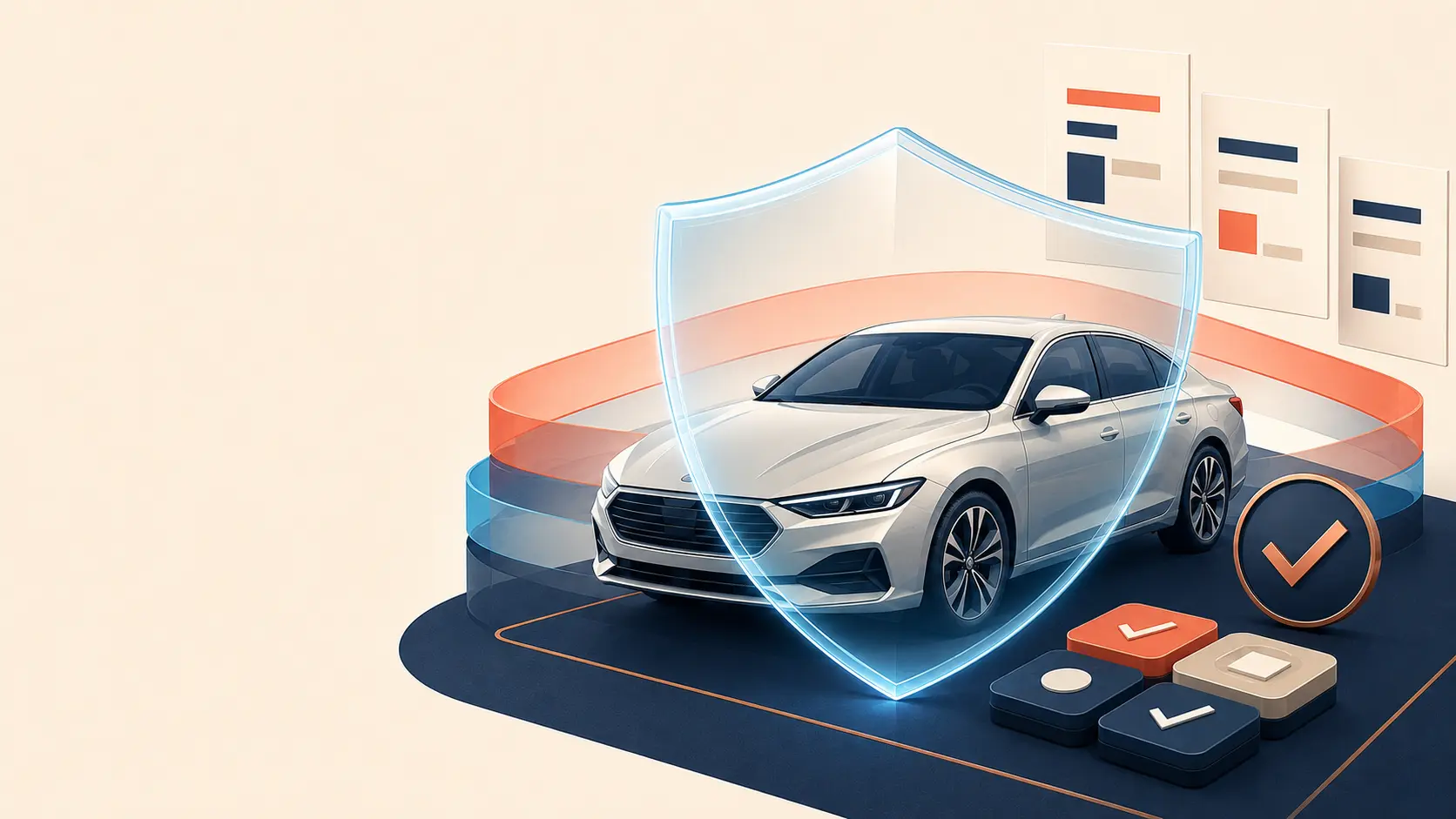
Powertrain warranties usually cover the engine, transmission and drive system. Coverage for seals, turbochargers and related parts varies by agreement, so check the component list and exclusions before buying.
Powertrain protection can suit owners mainly concerned about major mechanical repairs. If you want coverage for electronics, air conditioning or suspension, check broader plans as well.
Follow power from the engine to the wheels
Engine coverage often includes internally lubricated parts such as pistons or the crankshaft, plus the block and cylinder heads when damaged by a covered internal failure. Transmission or transaxle coverage commonly includes internal components and the case under similar conditions. Drive coverage may extend to driveshafts or axle shafts and differentials.
Check the agreement for your vehicle. Ford’s official parts guide, for example, lists the individual components its powertrain warranty covers. Seals and gaskets can receive conditional treatment. A turbocharger or four-wheel-drive transfer case may be included in one agreement and absent from another.
Know what powertrain does not mean
Powertrain coverage is narrower than bumper-to-bumper protection. Air-conditioning failures, sensor faults and suspension repairs may be excluded, even when those bills are as expensive as an engine-related repair.
Routine maintenance remains the owner’s responsibility. Oil changes and filters are not breakdown claims. Brake pads and tires are generally maintenance expenses, not covered powertrain repairs. Collision damage belongs with auto insurance when covered by the policy, not with a defect or service-contract claim.
Compare manufacturer terms literally
Toyota’s 2026 warranty documents give one example. The broad warranty ends at three years or 36,000 miles, while listed powertrain parts remain covered until year five or 60,000 miles. During that two-year, 24,000-mile gap, an extra plan may duplicate Toyota's coverage for major mechanical repairs.
Other manufacturer documents show why shortcuts go wrong. Hyundai changes its long powertrain term after the original owner sells, while Ford gives the gas and diesel versions of one heavy-duty truck different mileage ceilings. The VIN and ownership history settle those details; a search result for the model does not.
Treat EV and hybrid coverage separately
EV coverage may set separate terms for propulsion motors and the high-voltage battery. Look for those components directly; a search for “powertrain” may miss the coverage you need.
Toyota gives eligible vehicles from 2020 onward hybrid battery coverage to 10 years or 150,000 miles. That is 90,000 miles beyond the 60,000-mile standard powertrain ceiling above. Check the remaining battery warranty before paying for overlapping coverage.
Look for exclusions surrounding a covered part
A listed engine does not guarantee payment for every engine failure. Contracts can exclude damage tied to overheating or lack of maintenance. Some require records proving services occurred at the stated intervals. Modifications or commercial use may affect coverage depending on the agreement.
Consequential-damage wording is especially important. Suppose an uncovered cooling component causes a covered internal engine part to fail. One contract may pay for the resulting engine damage, while another excludes damage caused by a non-covered part. Read both the component schedule and the general exclusions before assigning value to the headline.
Decide whether extra powertrain protection adds anything
Begin with the date this particular vehicle entered service and whatever its odometer shows today. Give the VIN to the manufacturer or a franchised dealer and ask what transferred. Then compare the new service contract's dates with the remaining manufacturer warranty. Two overlapping years may mean paying twice for the same protection.
Compare the full price with a covered-repair example. A $2,500 contract plus a $100 deductible costs $2,600. If diagnosis or a labor limit leaves another $300 for the owner to pay, the repair invoice would need to exceed $2,900 for the plan to produce a saving in that example.
Powertrain protection is attractive because the covered systems can produce large bills. That does not make every powertrain plan worthwhile. I would first use remaining manufacturer coverage, then consider an additional contract only when its start point and component definitions add meaningful protection.
Before buying, check that the agreement covers the failures you are concerned about and extends beyond the protection already attached to the vehicle.
Primary research
Sources reviewed
- 2026 Toyota Warranty InformationToyota Motor Sales USA
- New Vehicle WarrantyHyundai Motor America
- 2026 Super Duty Towing and Warranty InformationFord Motor Company
- Parts Covered by the Powertrain WarrantyFord Motor Company
- Manufacturer Warranties vs. Extended Vehicle WarrantiesConsumer Financial Protection Bureau
Financial examples are hypothetical unless identified as published data. Coverage and contract rules vary by provider, vehicle and state.